Lightweight-Portable Manual-Pump Hydrostatic Testing Equipment for Hoses
Home » Solutions » Hide » Lightweight-Portable Manual-Pump Hydrostatic Testing Equipment for Hoses
loading
Lightweight-Portable Manual-Pump Hydrostatic Testing Equipment for Hoses
Designed for field service teams and commercial procurement clients, our lightweight portable hydrostatic tester enables flexible on-site hose and pipe pressure testing. Equipped with a manual pump and modular pressure system, it supports 100–200 bar ranges, requires minimal maintenance, and offers intuitive operation for burst and internal-pressure testing in various job site conditions.
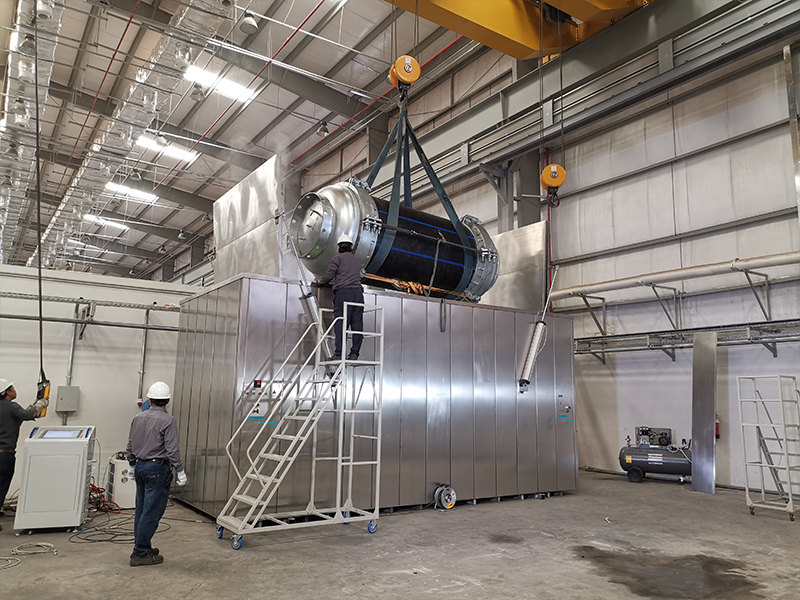
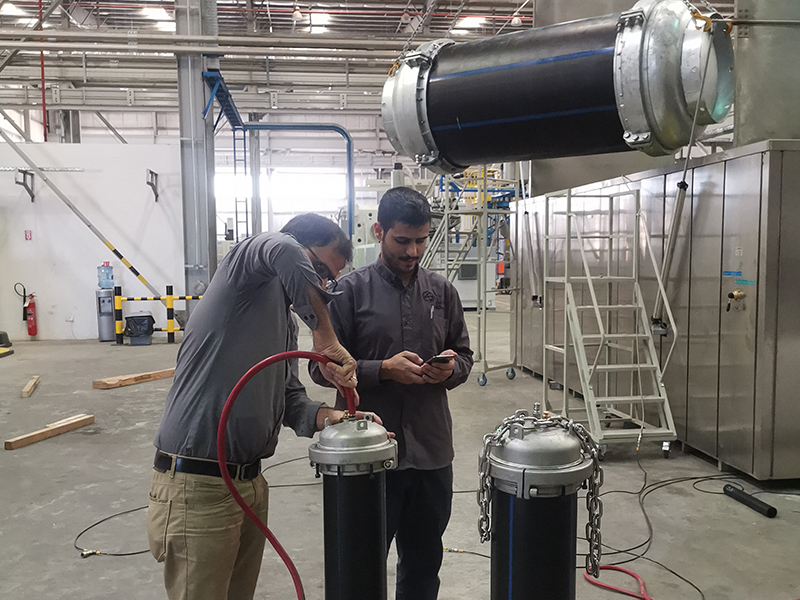
GT-TEST lightweight portable hydrostatic testing equipment (Model GT-HPT-M) is designed for field service teams and commercial procurement clients who need on-site pressure testing of hoses and pipes without a fixed power supply. The unit integrates a manual pump with a modular pressure control system, supporting burst tests and internal-pressure tests on thermoplastic pipes, fittings, and flexible hose assemblies. Configurable pressure outputs range up to 100 bar, 160 bar, or 200 bar, with a pressure resolution of 0.01 bar. The portable form factor allows deployment at job sites, installation yards, and remote testing locations where laboratory-grade equipment is not practical. The system requires minimal routine maintenance and offers intuitive manual operation suitable for field technicians.
Key Design Features of Portable Manual-Pump Hydrostatic Testers
Manual Pump Operation for Field Deployment
The manual hydraulic pump allows operators to generate test pressure without an electrical power source, making the unit suitable for outdoor job sites and temporary testing stations. The pump is paired with a pressure reservoir to stabilize pressure during holding periods.
Lightweight and Transportable Construction
The system is built with a compact frame and reduced overall weight compared with fixed laboratory testers. This allows two technicians to move and position the unit at different test locations within a facility or between job sites.
Modular Pressure Control with Solenoid Valves
Despite its portable size, the unit retains the modular solenoid-valve architecture used in GT-TEST laboratory systems. Each station receives independent pressure control, and the self-developed valves are designed for extended service life with reduced maintenance demand.
Software and Data Features for Field Hydrostatic Testing
Real-Time Monitoring and Power-Off Protection
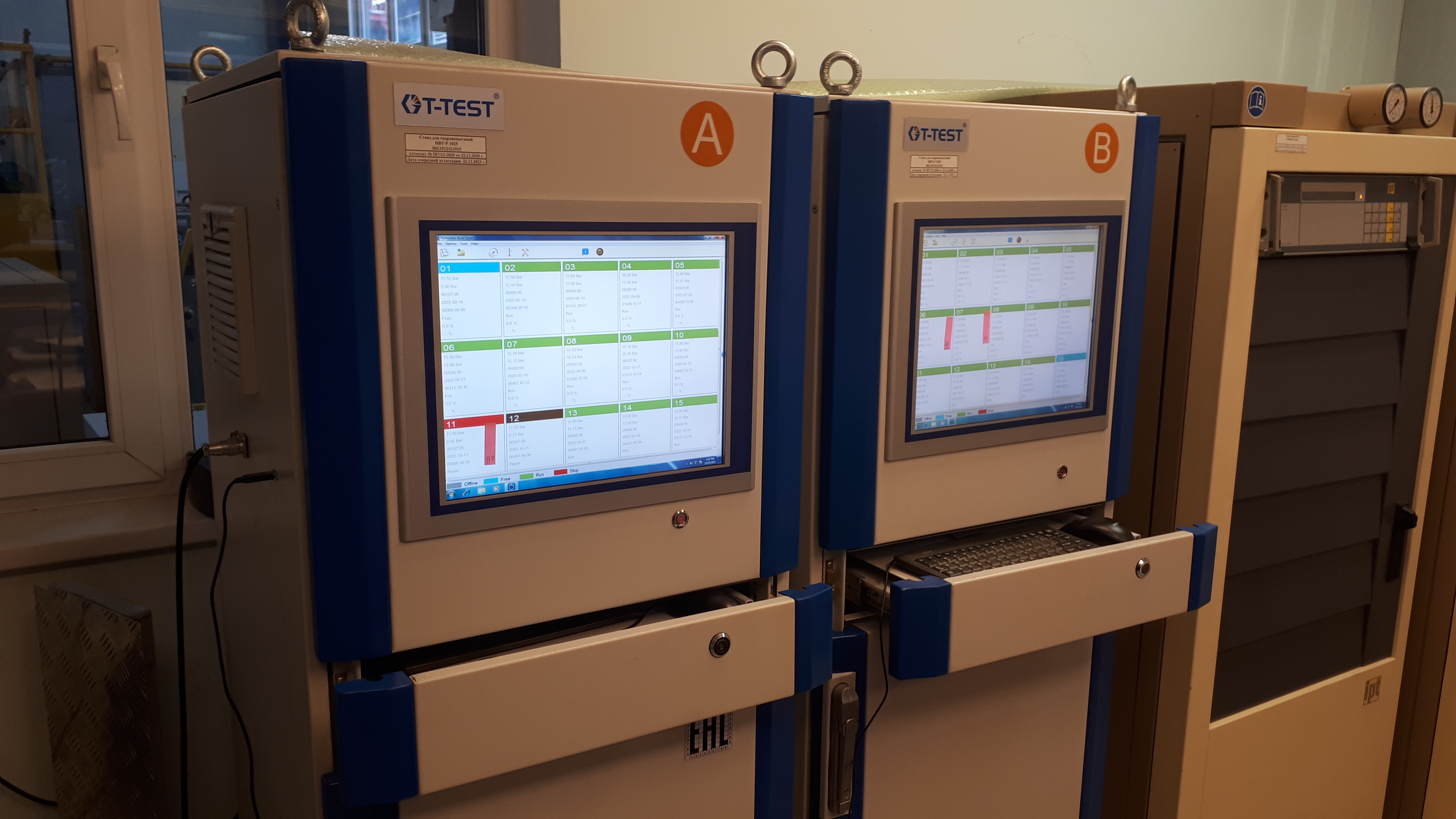
The control module provides real-time pressure display, test data storage, and specimen pre-treatment functions. A power-off memory function preserves test data if the unit is shut down unexpectedly, and the test resumes when operation is restored.
Timing and Pressure-Ramping Functions
Timing covers a range of 0 to 10000 hours with 1-second resolution, supporting both counter-up and counter-down modes. The system applies appropriate pressure-ramping algorithms based on specimen size and material, including rapid rise and steady hold for high-expansion PE pipes.
Technical Specifications for Manual-Pump Hydrostatic Test Units
Parameter
Value
Model
GT-HPT-M
Brand
GT-TEST
Output pressure
Up to 100 bar, 160 bar, or 200 bar
Capacity
1 to 20 stations (30 stations on request)
Pressure resolution
0.01 bar
Timing range
0-10000 h
Time resolution
1 s
Timing mode
Counter-up, counter-down
Pump type
Manual hydraulic pump
Applicable standards
ISO 1167, ASTM D 1598, ASTM D 1599
Applicable Standards for Field Hose Pressure Testing
ISO 1167 Field Testing
When used with an appropriate thermal bath or at ambient test temperatures, the unit supports ISO 1167 constant internal pressure testing protocols for thermoplastic pipes and fittings.
ASTM D 1598 and ASTM D 1599
The system performs ASTM D 1598 time-to-failure tests and ASTM D 1599 short-time hydraulic burst tests. Test duration and pressure data are recorded for each station.
Industrial Applications of Portable Hydrostatic Testing Equipment
This unit serves pipeline installation contractors, hose assembly manufacturers, and field quality-inspection teams that require pressure verification at the point of installation. Typical applications include on-site acceptance testing of installed pipework, burst verification of hose assemblies, and quality checks at remote manufacturing facilities. Associated equipment includes test tanks, end closures, and laboratory saws for on-site specimen preparation.
FAQ
Does this unit require electricity to operate?
The manual pump generates pressure without an external power supply. The electronic control module requires power for data logging and monitoring functions; consult the specification sheet for power consumption details.
What is the maximum test pressure?
The system supports output pressures up to 100 bar, 160 bar, or 200 bar, depending on the configured variant.
How many specimens can be tested simultaneously?
The modular design supports 1 to 20 independent stations, with up to 30 stations available by custom order.
Can the unit be transported between job sites?
Yes, the lightweight and compact construction is designed for transport by two technicians. The manual pump eliminates the need for fixed infrastructure at the test location.
What information is required for a quotation?
Clients should provide the applicable testing standard, specimen material, required maximum test pressure, and the number of test stations. Quotations are typically issued within 24 hours.