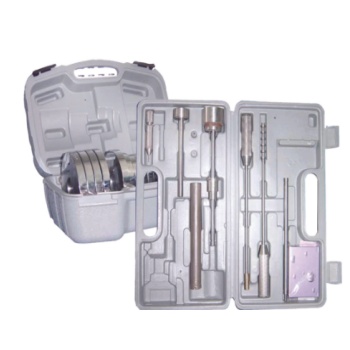
The melt flow indexer, also known as the melt flow indexer (MFI), is an essential tool in the plastics industry used to measure the flow properties of thermoplastic materials under specific conditions of heat and pressure. It plays a crucial role in evaluating the processing characteristics and quality of polymers, making it an indispensable tool for material engineers and manufacturers.
What is a Melt Flow Indexer?
A melt flow indexer is a laboratory instrument used to measure the flow rate of melted thermoplastics, which indicates their viscosity when subjected to heat and pressure. The test measures how much material flows through a specific-sized orifice in a set period under controlled conditions. The result, often expressed in grams per 10 minutes (g/10min), is referred to as the melt flow index (MFI). This measurement is essential because it helps manufacturers understand how easily a polymer will flow during processing, which can influence the manufacturing conditions and the quality of the final product.
The MFI test is usually conducted at high temperatures, typically between 190°C and 300°C, depending on the type of polymer being tested, and involves applying a controlled amount of weight to the polymer material as it melts. The flow rate of the polymer is then measured, providing valuable data about its processing characteristics.
Why is MFI Important in Polymer Testing?
The melt flow index is one of the most important indicators of polymer behavior during processing. It gives a quantitative measure of a polymer’s flowability, which is critical for understanding how it will behave in applications such as injection molding, extrusion, and blow molding. Here’s why MFI is so important:
Processing Efficiency: The MFI helps determine the optimal processing conditions for manufacturing polymer-based products. Polymers with high MFI values flow more easily, which is essential for fast processing speeds in industries like injection molding.
Material Quality: MFI can indicate the molecular weight distribution of a polymer. Polymers with lower molecular weights tend to have higher MFI values, while higher molecular weights usually result in lower MFI values.
Product Consistency: Consistent MFI measurements allow manufacturers to ensure uniformity in their products. A stable MFI helps reduce variability in processing conditions and final product performance.
How to Use a Melt Flow Indexer
Step 1: Preparation and Setup
Before you start testing with the melt flow indexer, it is crucial to ensure that the equipment is set up correctly and in good working order. Follow these steps to prepare the machine for testing:
Before beginning the test, ensure that the melt flow indexer is thoroughly cleaned. Any residue from previous tests can affect the accuracy of your results. Carefully clean the barrel, piston, and orifice using appropriate cleaning agents that are safe for the instrument and the material being tested. The manufacturer’s cleaning guidelines should be followed to prevent contamination from leftover polymer materials.
Inadequate cleaning can introduce contaminants that may alter the polymer's flow properties or result in clogging, both of which will lead to inaccurate readings. Use tools such as brushes or wipes to clean every part of the instrument that comes in contact with the polymer. Once the components are cleaned, allow them to dry completely before proceeding with the next steps.
The temperature is a critical factor in the melt flow index test, as it affects the flow behavior of the polymer. Set the melt flow indexer to the appropriate test temperature, which is typically between 190°C and 300°C, depending on the type of polymer you are testing. Make sure the instrument reaches and maintains a stable temperature before you begin the test.
Polymer flow properties are highly sensitive to temperature variations. If the temperature is too low, the polymer may not melt fully, leading to inaccurate measurements. If it is too high, the polymer could degrade, also affecting the test results. Wait for the temperature to stabilize before proceeding.
Accurate measurement of the polymer sample is essential for obtaining reliable test results. Weigh the sample using a balance that measures to a high degree of accuracy, typically to the nearest milligram. The amount of polymer required for the test generally ranges between 5 and 10 grams, but this can vary depending on the material and the specific testing standard.
Ensure that the sample is homogeneous and free from contaminants, as impurities can skew the results. The size and weight of the sample should match the recommendations provided by the testing standard or the manufacturer’s specifications for the material.
Step 2: Loading the Sample
Once you have prepared the polymer sample, the next step is to load it into the barrel of the melt flow indexer. This step is crucial for ensuring that the polymer flows correctly through the orifice during the test.
Carefully load the polymer sample into the barrel of the melt flow indexer. You can use tools like tweezers or a spatula to avoid contamination from your hands or external materials. Make sure that the polymer is evenly distributed and does not spill outside the barrel, as this could affect the flow rate.
Take extra caution when handling certain polymers that are prone to sticking or clumping. If the sample is not properly placed, it may not flow through the orifice correctly, leading to inaccurate results.
Once the polymer sample is in place, insert the piston into the barrel. The piston will apply pressure to the melted polymer, forcing it to flow through the orifice. Ensure that the piston is properly aligned and that it fits tightly to avoid leaks during the test. If the piston is not seated correctly, the test will not yield accurate results.
Step 3: Starting the Test
With the sample loaded and the piston in place, you are now ready to begin the test. Follow these steps:
Heat the Sample: Turn on the heat and allow the polymer sample to melt. It is crucial to let the polymer reach the desired temperature and fully melt before starting the test. This process can take several minutes, depending on the polymer type and the machine’s heating system.
Apply the Load: Once the polymer is molten and at the correct temperature, apply the pre-determined weight (usually specified by the testing standards) on the piston. This weight creates pressure on the molten polymer, forcing it to flow through the orifice.
Measure the Flow: The polymer will flow through the orifice, and the melt flow indexer will measure the amount of material that passes through in a set time, usually 10 minutes. The flow rate is then recorded in grams per 10 minutes (g/10min).
Step 4: Analyzing the Results
After the test, the MFI value is calculated based on the amount of polymer that flowed through the orifice. A higher MFI indicates that the polymer has a lower viscosity, meaning it is more fluid and easier to process. Conversely, a lower MFI suggests that the polymer has a higher viscosity and may require more heat or pressure during processing.
You can use the results to compare different batches of material or to evaluate the processing characteristics of the polymer. Higher MFI values typically correlate with lower molecular weight polymers, while lower MFI values are associated with higher molecular weight materials.
Step 5: Clean-Up
Once the test is complete, carefully remove the sample from the melt flow indexer and clean the machine to prepare it for the next test. It’s important to follow the manufacturer’s guidelines for cleaning to ensure that there is no residual material left in the system, which could affect future test results.
Key Considerations for Accurate MFI Testing
Consistency: Ensure that the temperature is consistent throughout the test. Fluctuations in temperature can lead to inaccurate results.
Sample Size: The amount of polymer used in the test should be consistent with the machine’s specifications. Using too little or too much material can affect the results.
Proper Calibration: Regular calibration of the melt flow indexer is essential to maintain accurate and reliable test results.
Conclusion
The melt flow index (MFI) is a critical parameter for understanding the flow characteristics of thermoplastic materials. Proper use of a melt flow indexer helps ensure that polymer processing is carried out efficiently, maintaining the desired properties and quality of the final product. By following the correct procedures and using calibrated equipment, manufacturers can obtain accurate data to guide their production processes.
At Golden Time Technology Development Limited, we understand the importance of accurate and reliable testing in the plastics industry. Our equipment is designed to provide precise measurements of the melt flow index, ensuring that you have the data you need to optimize your material processing. If you're interested in learning more about MFI testing or exploring solutions tailored to your needs, we encourage you to contact us for further information. Our team is ready to help you with all your testing and equipment needs.


