When selecting a carbon black dispersion analyzer, one size doesn’t fit all. A carbon black dispersion analyzer selection for a PE pipe laboratory will be vastly different from the configuration required by a rubber compound plant. Understanding these differences is crucial to ensuring that the analyzer you choose meets the specific demands of your application. GT-TEST, a professional supplier of testing equipment for polymer materials and plastic pipes, helps customers navigate these differences by offering a wide range of customized solutions.
Define Your Application First: PE Pipe vs Rubber vs Compounds
The first step in selecting a carbon black dispersion detector for PE and rubber is to clearly define your application. The purpose, testing frequency, and the level of detail required will vary significantly between different applications. Understanding these variables ensures that you select the correct analyzer to meet both technical and business needs.
PE Pipe: Standards and Audit Traceability
For PE pipe applications, the focus is often on compliance with strict standards like ISO 4427 for water supply piping systems. Dispersion testing for PE pipes must meet both content and dispersion grade requirements, and the results must be traceable for audits. The analyzer needs to be capable of delivering consistent, objective results that align with industry specifications.
The dispersion analyzer should also provide traceability through reports and images that document the results for future reference. This feature is crucial for audits and regulatory compliance, which is why image analysis and automated grading become indispensable for PE pipe manufacturers.
Rubber: Process Control and Fast Feedback Loops
In rubber compound applications, the primary concern is process control. Rubber compounds are often produced in dynamic environments where conditions can change rapidly, requiring fast feedback for quality adjustments. In this case, the dispersion analyzer should focus on providing real-time results, such as fast grading and particle distribution charts, to support process optimization and immediate adjustments.
The analyzer used in rubber testing does not necessarily need the same level of audit traceability as the one used for PE pipes, but it should be capable of delivering fast, reliable results that can be used immediately to make production adjustments.
Minimum Performance Checklist for an Analyzer
To ensure you choose the right analyzer, it’s important to know the essential features that should be included. These key performance indicators will help you assess whether a potential system meets your needs.
Image Capture Quality and Stable Illumination
Image capture quality is critical for accurate dispersion analysis. The system should have high-resolution imaging capabilities to capture the smallest particle details. This is particularly important for detecting agglomerates and other defects that can impact material performance.
Stable illumination is also crucial. Fluctuating light conditions can distort the data and introduce errors into the analysis. A high-quality analyzer should offer stable, consistent lighting that ensures accurate results every time.
Automated Grading, Distribution Charts, and Exportable Reports
Automated grading is a must for modern dispersion analyzers. By automatically assigning grades based on the observed dispersion pattern, you can eliminate human error and ensure that results are consistent across different operators and shifts. The system should also produce particle size distribution charts and other visual data that can be easily interpreted.
Reports should be exportable in multiple formats, such as PDF, Excel, or image files. This flexibility is essential for sharing results with clients, auditors, or other departments and for maintaining consistent documentation.
Magnification & Resolution: What They Change in Practice
Magnification and resolution are two of the most important variables in carbon black dispersion testing. The ability to select appropriate magnifications for different sample sizes and defect types is essential for obtaining reliable data.
Why Multiple Optical Magnifications Matter
In many cases, multiple optical magnifications are required to analyze different levels of detail in a sample. For example, a low magnification may be needed to get a broad view of overall dispersion, while higher magnification is necessary to examine the finer details, such as agglomerates or localized weak zones.
Having the ability to switch magnifications based on the sample characteristics helps improve accuracy and ensures that the analyzer provides the most relevant data for the application at hand.
Matching Field-of-View to Typical Defect Size
The field of view (FoV) of the optical system needs to be matched to the typical defect size in the material being tested. If the FoV is too large, smaller defects may go undetected, and if it’s too small, it may take longer to process the sample without offering enough useful information.
A good analyzer will allow you to adjust the field of view to suit the material and the specific defects you’re testing for.
Software Matters More Than Hardware in Daily QC
While the hardware components of the analyzer—such as the microscope and camera—are important, the software behind the scenes plays a crucial role in ensuring reliable and repeatable results.
Database Storage and Traceable Parameters
For long-term quality control, the ability to store and access test data is essential. The analyzer should provide a database to store results along with critical metadata, such as sample ID, operator details, and test date/time. This traceability makes it easier to review results, identify trends, and comply with industry regulations.
Calibration Workflow and Standard Samples
To ensure accurate results, a calibration workflow must be in place. The system should include standard samples that help align measurements with industry-recognized benchmarks. Regular calibration ensures that results remain consistent and accurate over time, minimizing the chance of discrepancies.
Don’t Ignore Specimen Preparation Equipment
Specimen preparation is often an overlooked area in dispersion testing, but it directly impacts the accuracy of your results. The proper equipment can make a significant difference in the consistency and repeatability of tests.
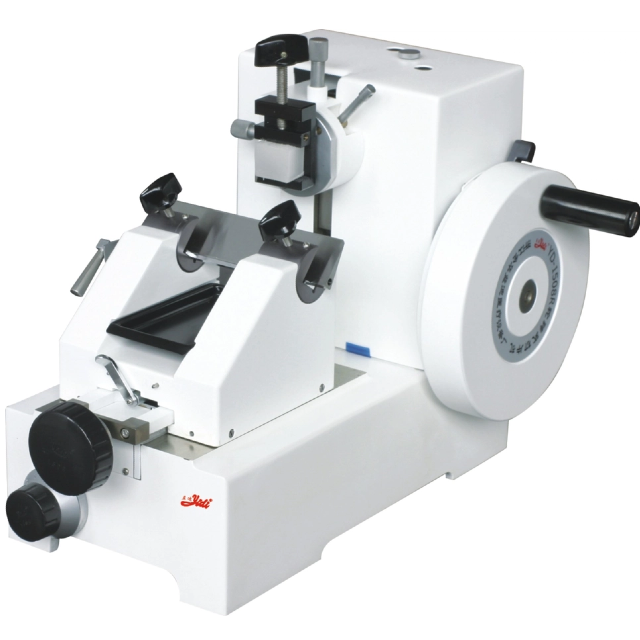
When You Need a Microtome: Repeatability and Clean Slices
A microtome is essential for creating clean, consistent slices of polymer samples. If the slices are too thick or uneven, it becomes difficult to make accurate assessments of dispersion. Microtome slicing ensures that each sample is prepared consistently, improving repeatability and the quality of results.
The microtome also enables precise control over slice thickness, which is important for obtaining the right contrast in the images and achieving accurate particle size measurements.
Thickness Range and Consistency for Consistent Microscopy
The thickness of the slice can greatly affect the accuracy of the analysis. Too thick a slice may introduce uneven lighting and affect the visibility of smaller particles. Too thin a slice can compromise sample integrity and lead to erroneous readings. The correct slice thickness ensures that the sample is consistent across tests and that dispersion data is as accurate as possible.
A Practical “Buying Spec” Template You Can Copy into RFQs
When requesting a quote for a carbon black dispersion analyzer, having a well-defined specification will ensure you get the right system for your application.
Report Formats, Camera Resolution, Illumination, Sample Stage Size
Be clear about the required report formats (PDF, Excel, image files) and camera resolution (higher resolution for better accuracy). Ensure that the system’s illumination and sample stage size are appropriate for your sample type and volume.
Training and Workflow: Samples Per Day, Who Runs It
It’s important to specify the workflow and the number of samples that will be tested daily. You should also define who will operate the system, whether it’s a dedicated technician or multiple operators. Understanding these factors will ensure that the analyzer can handle the volume and user demands of your laboratory.
Application → Recommended Analyzer Capabilities
Application | Must-Have Outputs | Prep Priority | Typical Pain Point Solved |
PE Pipe Compound QC | Grade, images, PDF/Excel reports | High | Audit-ready compliance |
Rubber Mixing Control | Fast grading, distribution charts | Medium | Process optimization |
Complaint Investigation | Full image archive, metadata | High | Evidence in disputes |
Conclusion
Once you define your carbon black dispersion analyzer selection criteria—considering application, magnification, and reporting needs—the right system for your laboratory becomes obvious. Whether you are working in PE pipe compound quality control, rubber mixing, or complaint investigations, having the correct analyzer configuration will help ensure reliable results and informed decisions. At GT-TEST, we offer comprehensive solutions that combine carbon black dispersion detection for PE and rubber with automated reporting and microtome specimen preparation systems, ensuring your laboratory is prepared for any testing challenge. If you need guidance on selecting the right configuration or have any specific requirements, contact us to discuss how we can assist with your testing needs.
FAQ
What is the most important factor in choosing a carbon black dispersion analyzer?
The most important factor is to match the analyzer’s capabilities to your application’s needs, including the required outputs, magnification range, and reporting functionality.
How does a microtome contribute to more accurate dispersion testing?
A microtome provides precise and consistent slice thickness, which is essential for reliable image analysis and accurate dispersion measurements.
Why is automated grading important for quality control?
Automated grading removes subjectivity and ensures that results are consistent across shifts and operators, leading to more reliable decisions.
How can I ensure that my analyzer delivers consistent results?
Regular calibration, proper sample preparation, and using standardized test conditions help ensure that your analyzer provides consistent, repeatable results over time.


