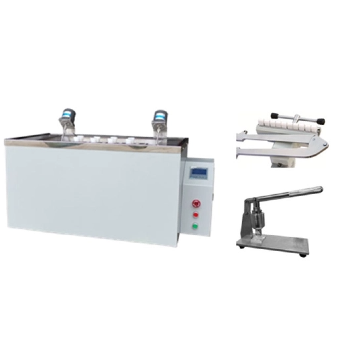
In the world of material science and engineering, one of the most important properties of materials—especially plastics—is their Environmental Stress Crack Resistance (ESCR). This refers to the ability of a material to withstand cracking when exposed to environmental stress factors like temperature changes, chemicals, moisture, or UV radiation. Whether you're working in packaging, automotive, construction, or any other industry that relies on plastic components, conducting ESCR tests is essential to ensure your products are safe, reliable, and durable.
This article will explore what ESCR testing is, why it's important, how it's done, and why you should incorporate it into your production and quality assurance processes. Let's dive into why performing ESCR tests is crucial for the longevity and performance of your products.
1. What is ESCR (Environmental Stress Crack Resistance)?
Environmental Stress Crack Resistance (ESCR) refers to the ability of a material—especially plastics and polymers—to resist cracking when subjected to mechanical stress in the presence of environmental factors such as chemicals, moisture, temperature fluctuations, and UV radiation.
For example, a plastic product like a water bottle might be exposed to high temperatures or chemicals during use, and these factors could cause the plastic to crack if the material is not resistant enough. In manufacturing, ESCR tests are performed to determine the material's ability to withstand these stresses and resist cracking over time.
Plastics and other polymers are inherently sensitive to stress cracking when they are exposed to certain chemicals or environmental conditions. Even a small crack can compromise the product's performance, durability, and safety. That's where ESCR testing comes in—it helps manufacturers understand how well their materials can withstand environmental stress.
2. Why is ESCR Testing Important?
Testing the Environmental Stress Crack Resistance of your products is vital for several reasons, all of which contribute to the overall safety, performance, and longevity of your products. Here are the key reasons why ESCR testing is so important:
a) Ensuring Durability and Longevity
The primary purpose of ESCR testing is to ensure that your products can perform over their expected lifespan without developing cracks or failures. Whether your product is part of an automotive assembly, a pipeline system, or a plastic container, exposure to environmental stress is inevitable over time.
For example, in the case of automotive parts, plastics used for components like bumpers or interior panels are constantly subjected to vibrations, temperature fluctuations, and exposure to moisture or oils. If these materials don't pass ESCR tests, they may degrade or crack under normal operating conditions. This can lead to product failure, reduced service life, and safety concerns. By conducting ESCR tests, manufacturers can ensure that their products are built to last.
b) Improving Product Safety
Environmental stress cracking can cause significant safety hazards. If a plastic component in a car or a medical device cracks due to exposure to stress or chemicals, it may lead to part failure. For example, plastic piping systems or medical devices may fail if the material cracks under stress, leading to leaks or hazardous situations. This could result in:
Water or gas leakage in pipes, causing environmental damage or safety risks.
Cracks in medical device components could compromise their integrity, affecting patient health.
By conducting ESCR tests, you can identify materials that are vulnerable to cracking, thus reducing the risks associated with material failures.
c) Compliance with Industry Standards and Regulations
Many industries, especially those dealing with medical devices, automotive parts, and consumer goods, are required to meet strict safety and quality standards set by regulatory bodies. These standards often include testing for environmental stress cracking, as materials used in critical applications must be able to withstand harsh conditions.
For example:
Food and beverage packaging must meet certain durability standards to prevent cracking that could lead to contamination or spoilage.
Automotive components must pass certain stress resistance tests to ensure they meet safety requirements.
By conducting ESCR tests, manufacturers can ensure compliance with these standards, reducing the risk of product recalls, fines, or other legal issues.
d) Minimizing Production Downtime and Costs
If materials used in production are not thoroughly tested for ESCR, there is a risk that cracks will appear during use, which could lead to expensive repairs, product recalls, or warranty claims. This can result in unexpected downtime and significant financial losses. For example, if a batch of plastic pipes fails in the field, the manufacturer may need to replace all of them, which can be costly and time-consuming.
By performing ESCR tests early in the production process, manufacturers can identify any potential vulnerabilities and address them before products are released to the market. This helps to avoid costly rework or recalls and ensures that products are durable and reliable from the outset.
e) Enhancing Customer Satisfaction
Customers rely on manufacturers to produce high-quality, durable products that meet or exceed their expectations. A product that cracks or fails prematurely can lead to customer dissatisfaction, loss of trust, and damage to your brand's reputation.
By performing ESCR tests, manufacturers can improve product quality, ensuring that customers receive products that are reliable, long-lasting, and resistant to environmental stress. This can help improve customer loyalty, boost brand reputation, and increase sales.
3. How Are ESCR Tests Conducted?
There are several standardized methods for testing the Environmental Stress Crack Resistance of materials. These tests aim to simulate real-world conditions that the material may experience over its service life. Below are the most common methods for testing ESCR:
a) Constant Load Test
In the constant load test, a sample of the plastic material is subjected to a constant mechanical load while being exposed to a specific environmental condition, such as chemical exposure or high temperature. The test measures how long it takes for cracks to develop under the applied stress. The longer the sample resists cracking, the better the material's ESCR.
b) Notched Stress Crack Test
In this test, a notch is made in the material to create a potential weak point. The sample is then exposed to mechanical stress and environmental factors. The test monitors how long it takes for the crack to propagate from the notch. This is a more accelerated form of testing that simulates situations where there may already be minor flaws or weaknesses in the material.
c) Environmental Stress Crack Test (ESCT)
The Environmental Stress Crack Test (ESCT) involves exposing the plastic material to a specific environment, such as exposure to solvents, chemicals, or high temperatures, while simultaneously applying stress to the sample. The test measures the time it takes for cracks to form under these conditions.
d) Fracture Toughness Test
This test is used to measure a material's resistance to crack propagation once a crack has already formed. The material is subjected to stress, and the test measures how much force is required to propagate a crack. This is a more advanced test that helps assess the material's ability to resist fracture and breakage.
4. What Are the Common Materials Tested for ESCR?
ESCR testing is typically performed on plastic materials that are used in environments prone to environmental stress. Some of the common materials that undergo ESCR testing include:
Polyethylene (PE): Used in pipes, tanks, and packaging.
Polypropylene (PP): Common in automotive components and medical devices.
Polyvinyl chloride (PVC): Used in construction and plumbing systems.
Polystyrene (PS): Used in consumer products and packaging.
Polycarbonate (PC): Used in automotive and electronics applications.
Acrylonitrile butadiene styrene (ABS): Used in automotive parts and consumer electronics.
Each of these materials has different levels of ESCR, and understanding how they perform under environmental stress is crucial for selecting the right material for each application.
5. Applications of ESCR Testing
ESCR testing is used across a wide range of industries where plastic materials are exposed to harsh conditions. Below are some of the industries that benefit from ESCR testing:
Packaging: Ensuring that plastic bottles, containers, and packaging materials can withstand chemical exposure and temperature fluctuations.
Automotive: Testing components such as bumpers, interior panels, and piping systems for durability and long-term performance.
Construction: Ensuring that plastic pipes, fittings, and other components can withstand environmental stress without cracking.
Medical Devices: Testing materials for use in devices that will be exposed to chemicals or high-stress environments.
Consumer Electronics: Ensuring that plastic enclosures and components can withstand everyday wear and tear.
6. Conclusion
Environmental Stress Crack Resistance (ESCR) testing is a critical process in determining the durability, safety, and reliability of plastic materials used in various applications. By performing ESCR tests, manufacturers can ensure their products meet the required performance standards, comply with industry regulations, and avoid costly failures in the field. Whether in packaging, automotive parts, construction materials, or medical devices, ESCR testing helps guarantee that products can withstand real-world environmental conditions and stresses.
Incorporating ESCR testing into your quality control process not only helps improve product performance but also ensures that your brand maintains a high level of consumer trust and satisfaction. Whether you're producing valves, pipes, medical devices, or packaging materials, ESCR testing is an essential part of building high-quality, durable products.


