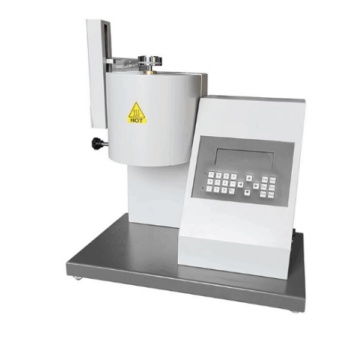
The Melt Flow Index (MFI), also known as Melt Flow Rate (MFR), is a critical property for evaluating the flow characteristics of a polymer when it is subjected to heat and pressure. It is an essential parameter in the plastics industry, used to measure the flowability of molten plastic. The Melt Flow Index machine, or extrusion plastometer, is an instrument that measures the MFI of a material, providing insights into its viscosity and suitability for various processing applications.
1. What is a Melt Flow Index Machine?
Before we dive into the cost factors, let's first understand what a Melt Flow Index machine is and how it works. The melt flow index machine is a laboratory instrument used to determine the Melt Flow Index (MFI) of polymers. The MFI is a measure of the rate at which a polymer flows under a standardized set of conditions. The test involves extruding a sample of molten polymer through a specific die under controlled temperature and pressure conditions.
How It Works
Sample Preparation: A small sample of polymer is placed into the barrel of the extrusion plastometer.
Heating: The polymer is heated to a specific temperature until it reaches a molten state.
Extrusion: The molten polymer is then extruded through a die under controlled pressure and temperature.
Measurement: The weight of the polymer that flows through the die in a specific amount of time is measured. This flow rate is recorded as the MFI.
MFI is an essential parameter for manufacturers because it helps determine the processability of materials like polyethylene (PE), polypropylene (PP), polystyrene (PS), and many other polymers. The result provides a good indication of the material's viscosity, helping manufacturers choose the appropriate grade of polymer for their applications.
2. Factors Affecting the Cost of a Melt Flow Index Machine
Several factors influence the price of a melt flow index machine. These include the machine's features, accuracy, brand, and the specific needs of the industry it serves. Let's explore these factors in detail:
Brand and Manufacturer
Like most laboratory equipment, the brand and reputation of the manufacturer play a significant role in determining the cost of a melt flow index machine. Well-established brands with a track record of quality and reliability tend to offer machines at a premium price. On the other hand, lesser-known brands or manufacturers might offer machines at more affordable prices, but these might come with trade-offs in terms of precision, durability, or customer support.
Premium Brands: Renowned brands often provide higher-end features, more accurate testing, and robust after-sales service, justifying their higher costs.
Budget Brands: These offer more basic machines that can handle standard MFI tests at a lower cost, but they may lack some advanced features such as digital displays, more precise temperature control, or additional test options.
Machine Type and Features
Melt flow index machines come in different models, and the features they offer can greatly influence the price. Some of the key features that might affect cost include:
Single or Dual Capillary System: Some machines use a single capillary system, while others use dual capillaries to measure multiple samples at once. Dual systems can increase the cost but provide the advantage of higher throughput.
Temperature Control: More advanced machines offer better temperature stability and the ability to set and control precise temperatures. This is critical for certain materials that require precise testing conditions. Machines with higher temperature ranges will also be more expensive.
Digital vs. Manual Control: Digital melt flow index machines, with digital interfaces and automated data recording, tend to be more expensive than manual machines.
Data Collection and Analysis: Machines with automated data logging, networking features, or advanced software for statistical analysis tend to cost more.
Load Cell Accuracy: High-quality load cells that measure extrusion force can enhance precision but can also raise the price.
Accuracy and Precision
Accuracy and precision are vital for the melt flow index machine. Machines with more advanced sensors, data collection systems, and tighter tolerance ranges are typically more expensive. These machines are ideal for high-precision applications in industries where small variations can affect the final product quality.
High Accuracy: Machines with a higher degree of accuracy in measuring MFI tend to cost more but are ideal for applications where the quality of the polymer must meet strict industry standards.
Standard Accuracy: Standard machines that offer acceptable levels of accuracy for general use are more affordable and are used in less demanding environments.
Automation and Features for Efficiency
Some melt flow index machines come with features designed to increase the efficiency of testing processes, such as:
Automated Sample Feeding: This feature allows for continuous, automated testing of polymer samples, reducing labor time and increasing throughput. These machines typically come at a higher price.
Touchscreen Interfaces: Modern digital machines often come with touchscreens that simplify operation and allow for easier setting of test parameters. These user-friendly features are often present in mid-to-high-end models.
Multiple Sample Capacity: Machines that can process multiple samples in one go will generally be more expensive than single-sample models.
Capacity and Throughput
The capacity of the machine to handle a certain volume of samples and the speed at which it can complete a test also affects the price. High-throughput machines capable of testing a greater number of samples per day are typically more expensive.
Low-Volume Machines: Suitable for small-scale laboratories or testing environments, these machines are usually more affordable but can only handle limited workloads.
High-Volume Machines: For large-scale production environments, these machines can process large quantities of samples quickly and are priced higher due to their robust construction and advanced capabilities.
3. Cost Breakdown of a Melt Flow Index Machine
Entry-Level Models
Entry-level models of melt flow index machines are typically designed for smaller laboratories or companies that need standard testing capabilities without the need for advanced features. These machines usually come with basic functions such as manual controls and limited temperature ranges.
Mid-Range Models
Mid-range models offer enhanced precision, automated functions, and better temperature control, making them suitable for larger laboratories or companies with higher testing demands. These models often come with digital interfaces, automated data recording, and improved user convenience.
High-End Models
High-end models are equipped with advanced features such as high-precision load cells, automated sample feeding, advanced software for data analysis, and the ability to process multiple samples simultaneously. These machines are typically used in high-precision, high-volume testing environments like polymer manufacturing facilities or research institutions.
Price Range: $30,000 to $50,000 or more, depending on the complexity and advanced capabilities of the machine.
4. Additional Costs Associated with Melt Flow Index Machines
When purchasing a melt flow index machine, it's important to account for the following additional costs:
Maintenance and Calibration: Routine maintenance and calibration are essential to ensure the machine operates within its specified accuracy range. Regular calibration costs can range from $500 to $2,000 per year, depending on the model.
Consumables: Certain consumables, such as polymer samples, cleaning materials, and accessories, will add to the ongoing operating costs of the machine.
Software and Data Management: Some melt flow index machines come with specialized software for data management and analysis, which may incur additional costs for licensing and upgrades.
5. Conclusion
The cost of a melt flow index machine varies widely based on factors such as the machine's features, accuracy, brand, and throughput capabilities. Entry-level models are available for smaller laboratories and testing environments, while high-end models are ideal for large-scale industrial applications requiring precision, high-volume testing, and automated features.
At Golden Time Technology Development Limited, we offer a range of melt flow index machines designed to meet the needs of different industries and testing requirements. Whether you're looking for an entry-level model or a high-end machine with advanced features, we can provide solutions tailored to your specific needs. Reach out to us to learn more about our melt flow index machines and how they can support your testing operations.
Frequently Asked Questions (FAQ)
Q1: What factors influence the cost of a melt flow index machine?
A1: The cost is influenced by the machine's features, accuracy, automation level, throughput capacity, and the brand's reputation. High-end models with advanced automation and precision features tend to be more expensive.
Q2: How often should a melt flow index machine be calibrated?
A2: A melt flow index machine should be calibrated at least once a year, or more frequently depending on usage and accuracy requirements.
Q3: Are there any ongoing costs for operating a melt flow index machine?
A3: Yes, there are ongoing costs for consumables, maintenance, calibration, and potentially software updates or licensing fees for data management.
Q4: Can I use a melt flow index machine for other materials besides plastics?
A4: While melt flow index machines are primarily used for testing plastics, some models may also be suitable for testing other materials, depending on their composition and flow characteristics.
Q5: How do I choose the right melt flow index machine for my business?
A5: Consider factors such as the volume of testing you require, the type of materials you are testing, your accuracy needs, and the available budget. Our team can help you select the best machine for your requirements.


