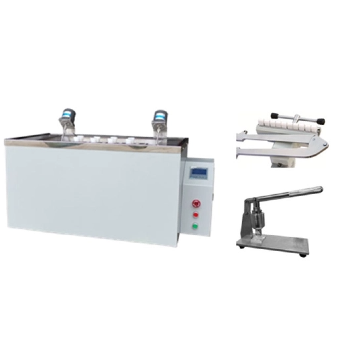
In the world of materials science, Environmental Stress Crack Resistance (ESCR) plays a crucial role in determining the durability and longevity of certain plastic materials when exposed to different environmental conditions. Understanding ESCR is particularly important for industries that rely on the use of plastics in challenging environments, such as the automotive, packaging, and construction industries.
ESCR refers to a material’s ability to resist crack formation and propagation when exposed to environmental factors, such as chemicals, temperature fluctuations, or mechanical stresses. This resistance is particularly important for plastics, which can degrade or fail under the influence of external factors over time. In this article, we’ll explore what ESCR is, how it is tested, its significance, and its applications across various industries.
1. What is ESCR (Environmental Stress Crack Resistance)?
ESCR refers to the ability of a plastic material to resist cracking when it is subjected to environmental stress. The “stress” in this case can be both mechanical stress (such as pressure or strain) and environmental stress, which is typically caused by exposure to external factors such as temperature, humidity, chemicals, or UV radiation.
When certain plastics are exposed to environmental factors while under mechanical stress, cracks may develop at a molecular level, eventually leading to material failure. The resistance to this cracking process is what is referred to as ESCR. Materials with high ESCR are able to withstand external stress without succumbing to cracking, even when exposed to harsh environmental conditions.
ESCR is particularly important forplastic polymers such as polyethylene (PE), polypropylene (PP), polyvinyl chloride (PVC), and other materials commonly used in packaging, piping, and automotive components. For these materials, environmental stress cracking can compromise their performance, safety, and lifespan.
2. Why is ESCR Important?
The ability of a plastic material to resist environmental stress cracking is a key indicator of its durability and performance in real-world applications. The importance of ESCR can be understood from several perspectives:
a) Material Longevity
Plastics are widely used because they are lightweight, versatile, and relatively inexpensive compared to metals or ceramics. However, they are prone to deterioration under certain conditions. ESCR measures how well a plastic can hold up to prolonged use, even under challenging conditions such as exposure to chemicals, temperature fluctuations, or mechanical loads. A high ESCR rating means that a material will last longer and maintain its functionality in harsh environments.
b) Safety and Reliability
In many applications, such as piping systems, automotive components, and medical devices, plastic parts must be able to withstand external pressures without failing. Environmental stress cracking can lead to leaks, breakdowns, or catastrophic failures. For example, a crack in a plastic water pipe could result in leaks or water damage. ESCR helps ensure that materials used in critical infrastructure can perform safely and reliably over time.
c) Cost-Effectiveness
The cost of replacing damaged parts due to environmental stress cracking can be significant. In industries like manufacturing or packaging, failures caused by cracking can lead to production delays, costly repairs, and waste. Materials with high ESCR require fewer replacements and repairs, making them more cost-effective in the long run. High ESCR materials are, therefore, more efficient in applications where durability is key.
3. Factors That Influence ESCR
Several factors influence the Environmental Stress Crack Resistance of a material. These include:
a) Material Composition
Different types of plastics have varying levels of resistance to environmental stress cracking based on their chemical structure. For instance, high-density polyethylene (HDPE) typically has good ESCR, while low-density polyethylene (LDPE) may have lower resistance due to its more flexible structure. The molecular weight of the polymer, as well as its crystallinity, also plays a role in determining how well it resists cracking under stress.
b) Environmental Conditions
The specific environmental conditions a material is exposed to can significantly affect its ESCR. Exposure to chemicals, high temperatures, or UV radiation can cause certain plastics to degrade, weakening their structure and making them more susceptible to cracking. Exposure to solvents, for example, can weaken certain plastics by penetrating their molecular structure and causing stress cracks.
c) Mechanical Stress
The amount of mechanical stress a plastic material is under can also impact its ESCR. In some cases, a material might have high resistance to cracking in a relaxed state but might fail under strain or pressure. For instance, materials used in piping systems or automotive parts are often under constant stress, and their ability to resist cracking under pressure is critical to their performance.
d) Additives and Stabilizers
Many plastics are formulated with additives or stabilizers to improve their resistance to environmental stress cracking. For example, certain additives may improve UV resistance, making the plastic more durable when exposed to sunlight. Antioxidants or UV stabilizers can help prevent degradation caused by environmental factors, thereby increasing the ESCR of the material.
4. Testing ESCR
Testing for Environmental Stress Crack Resistance involves subjecting plastic materials to controlled conditions that simulate real-world environmental factors. The goal is to measure how long a material can resist cracking when exposed to these conditions.
There are several methods for testing ESCR, each designed to simulate different environmental stresses:
a) The Constant Load Test
One common method for testing ESCR is the constant load test. In this test, a plastic sample is subjected to a constant mechanical load while being exposed to a specific chemical or environmental condition (e.g., exposure to a chemical solvent or high temperature). The material is monitored to see how long it takes for a crack to form. The longer the material resists cracking, the higher its ESCR.
b) The Notched Stress Crack Test
In this method, a sample of plastic is cut with a notch and then exposed to specific stress and environmental conditions. The notch is meant to create a weak point in the material, allowing for the accelerated observation of stress cracking. This test helps simulate real-world situations where materials may have inherent flaws or weaknesses.
c) The Environmental Stress Crack Test (ESCT)
This test involves exposing a plastic material to a specific environment (such as chemicals, temperature fluctuations, or UV light) while applying stress to the sample. The test measures how long it takes for a visible crack to appear, providing a clear indicator of the material’s resistance to stress cracking in the given environment.
d) The Fracture Toughness Test
This test evaluates a material's ability to resist crack propagation. The material is subjected to mechanical stress, and the fracture toughness is measured by the amount of force required to propagate a crack. Materials with high fracture toughness tend to have better ESCR.
5. Applications of ESCR in Various Industries
ESCR is a crucial consideration for a wide range of industries where plastics are used in critical applications. Here are some of the industries where ESCR plays a vital role:
a) Packaging Industry
In the packaging industry, plastics are often used for containers, bottles, and films that must withstand various environmental factors, such as temperature changes, UV exposure, and chemical exposure. Materials with high ESCR ensure that the packaging can maintain its integrity during storage and transport, avoiding cracks or leaks that could compromise the product inside.
b) Automotive Industry
In the automotive industry, plastics are used for a variety of parts, including bumpers, interior components, fuel tanks, and engine parts. These components are exposed to high temperatures, mechanical stress, and environmental factors like moisture, UV radiation, and road chemicals. High ESCR ensures that these parts remain intact and durable over the lifetime of the vehicle.
c) Construction and Infrastructure
In the construction industry, pipes and fittings made of plastic materials (such as PVC, HDPE) are used for water, gas, and drainage systems. These pipes must resist stress and cracking when exposed to harsh conditions, such as temperature fluctuations, UV exposure, and the pressures within the plumbing system. High ESCR in these materials ensures long-lasting performance and reduces the need for frequent repairs.
d) Medical Industry
Certain medical devices are made from plastics that need to withstand stress and environmental conditions without cracking. For example, medical containers, tubing, and implantable devices must resist cracking even when exposed to sterilizing agents, temperature extremes, or mechanical forces. Ensuring high ESCR is essential for the safety and reliability of these devices.
e) Electronics Industry
In the electronics industry, plastics are used in various components such as enclosures, connectors, and insulation. These parts must maintain their integrity under mechanical and environmental stresses, such as exposure to heat, humidity, and chemicals, which can degrade the material. Materials with good ESCR will ensure that the electronics remain functional and safe.
6. Conclusion
Environmental Stress Crack Resistance (ESCR) is a critical property for plastic materials used in many industries. Whether it’s packaging, automotive, construction, or medical devices, understanding and ensuring high ESCR is essential for the long-term performance, safety, and reliability of plastic components. By selecting materials with high ESCR, manufacturers can produce products that are more durable, cost-effective, and capable of withstanding the challenges posed by harsh environmental conditions.
As industries continue to rely on plastic materials for an increasing range of applications, the importance of ESCR will only continue to grow. Understanding and testing for ESCR will remain a fundamental part of materials selection, ensuring that products meet the necessary performance and durability standards for years to come.


