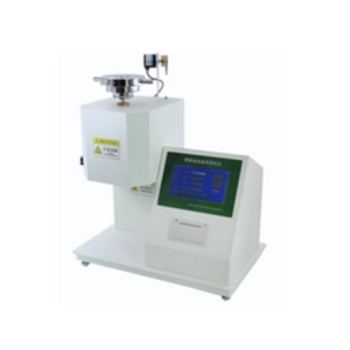
A melt flow indexer (MFI), also known as a melt flow index tester, is an essential piece of equipment used to measure the flow rate of molten plastic under specific conditions. The measurement provided by an MFI tester is critical in understanding the flow properties of thermoplastic materials and plays a vital role in plastic manufacturing and processing. In this article, we will explore the significance of melt flow index testing, the principles behind it, how it works, and its applications in various industries.
1. What is Melt Flow Index (MFI)?
The melt flow index (MFI) is a measure of the viscosity of a polymer melt, indicating how easily the material flows when subjected to heat and pressure. It provides insight into the polymer's molecular weight distribution and its processing behavior during extrusion and molding.
In simpler terms, the melt flow index tells us how "runny" or "thick" a molten polymer is when heated under a specified load. The value of the melt flow index helps manufacturers and processors determine the processability of polymers for specific applications, whether it's injection molding, extrusion, or other thermoplastic processing techniques.
2. How Does a Melt Flow Indexer Work?
A melt flow indexer works by measuring the amount of polymer that flows through a small orifice under a controlled temperature and pressure. The polymer is heated to its molten state, and a defined weight is placed on the material. The amount of polymer that flows through the orifice in a specific time (usually 10 minutes) is recorded in grams per 10 minutes (g/10 min), which becomes the melt flow index.
Testing Procedure
The standard test procedure typically involves the following steps:
Preparation of the Sample: A small sample of the polymer is placed in the barrel of the melt flow indexer.
Heating: The sample is heated to a predetermined temperature, usually 190°C or 230°C, depending on the polymer type.
Weight Application: A specified load (typically 2.16 kg or 5 kg) is applied to the molten polymer.
Measurement: The polymer is forced through a small die or orifice, and the amount of material extruded is measured over a set period (usually 10 minutes).
Result: The amount of polymer extruded is used to calculate the melt flow index (MFI).
The result gives insight into the flow characteristics of the polymer under the set conditions. A higher melt flow index indicates a lower viscosity and easier flow, while a lower MFI indicates that the polymer has a higher viscosity and is more difficult to process.
3. Key Factors Affecting MFI
Several factors influence the melt flow index of a polymer, and understanding these is crucial for accurate testing and interpretation of results. These factors include:
Molecular Weight
The molecular weight of the polymer directly affects its melt flow index. Polymers with a higher molecular weight have longer chains, which make the polymer more viscous and harder to flow. Conversely, polymers with a lower molecular weight have shorter chains and flow more easily, resulting in a higher MFI.
Temperature
The temperature at which the polymer is tested plays a significant role in the melt flow index. As the temperature increases, the viscosity of the polymer decreases, and the polymer becomes more fluid, thus increasing the melt flow rate.
Polymer Composition
The additives and fillers present in the polymer blend can alter the flow properties. Additives like stabilizers, plasticizers, and pigments can modify the melt flow index. Similarly, the presence of reinforcements or fillers such as glass fibers can reduce the flow ability, leading to a lower MFI.
Load Applied
The amount of weight applied during the test can also affect the flow rate. A higher load may result in more polymer being extruded, but it can also change the flow behavior depending on the polymer's characteristics and the test conditions.
4. Applications of Melt Flow Index Testing
Melt flow index testing is widely used across various industries, particularly in polymer manufacturing and plastic processing. Below are some key applications of the melt flow indexer:
Quality Control in Polymer Production
MFI testing is crucial for quality control in the production of polymers. By measuring the melt flow index, manufacturers can ensure that the polymer properties are consistent and meet the specifications required for specific applications. This test can also be used to monitor batch-to-batch consistency in polymer production.
Resin Selection for Manufacturing
In industries like injection molding and extrusion, choosing the right resin is essential. The MFI provides insight into the polymer's processability, helping manufacturers select the correct material for their specific application. A polymer with the correct MFI will flow properly in the mold or extrusion die, leading to a high-quality end product.
Research and Development
In the development of new polymers, MFI testing is used to evaluate how modifications to the polymer structure or composition affect its flow properties. Researchers use MFI to study the relationship between polymer molecular weight, additives, and processing conditions, which helps in developing new materials with improved characteristics.
Monitoring Degradation
Polymers degrade over time due to exposure to heat, light, and mechanical stress. Monitoring the melt flow index helps identify the onset of degradation in polymers, as degraded polymers tend to have higher melt flow indices. By regularly testing the MFI, manufacturers can ensure that the materials used in production maintain their desired properties.
5. How Melt Flow Index Can Affect Final Product Performance
The melt flow index plays a crucial role in determining the mechanical and processing characteristics of the final plastic product. A proper melt flow index ensures that the polymer flows appropriately during molding or extrusion, contributing to a well-formed, durable, and high-quality final product.
Processing Efficiency
Polymers with a higher MFI tend to process more easily, resulting in faster cycle times and more efficient production. However, if the MFI is too high, it may result in poor mechanical properties, making the material weaker. Conversely, a low MFI can slow down processing and lead to uneven mold filling, causing defects.
Product Durability
The durability and strength of plastic products are influenced by the polymer's molecular weight. Polymers with a lower melt flow index typically have better mechanical strength and durability, making them suitable for products that need to withstand stress or wear, such as automotive parts and construction materials.
6. Understanding the Melt Flow Indexer and Its Role in Processing
What Is an Extrusion Plastometer?
An extrusion plastometer is the instrument used to measure the melt flow index of polymers. It provides a precise way to determine how a polymer behaves when subjected to high temperatures and pressure, which simulates real-world processing conditions. The extrusion plastometer measures the flow rate of the molten polymer as it is forced through a small orifice, making it an essential tool for material characterization and quality control in polymer manufacturing.
Key Features of an Extrusion Plastometer
Precision Measurement: Provides accurate and repeatable measurements of the melt flow index.
Ease of Use: Modern machines are designed for quick setup and straightforward operation, reducing the time and effort required for testing.
Temperature Control: Temperature is precisely controlled to ensure accurate results, as MFI is highly temperature-dependent.
Table 3: Key Features of an Extrusion Plastometer
Feature | Benefit |
Precise Temperature Control | Ensures accurate and reproducible MFI measurements |
User-Friendly Interface | Simple operation and quick setup |
High Accuracy | Provides consistent, reliable results for quality control |
7. Conclusion
The melt flow indexer is a vital tool for determining the flow characteristics of molten polymers, helping manufacturers choose the right materials and optimize processing conditions. By measuring the melt flow index (MFI), industries such as automotive, packaging, and consumer goods can ensure that their materials meet the required specifications for performance, durability, and manufacturability. The extrusion plastometer is at the core of this process, providing accurate and reliable data that supports product development, quality control, and process optimization.
For businesses seeking precise and high-quality equipment for melt flow index testing, Golden Time Technology Development Limited offers a range of solutions tailored to meet industry demands. With advanced technology and expert support, we help ensure that your production processes are efficient, accurate, and meet the highest standards of quality. Reach out to us today to explore how our equipment can benefit your operations.
FAQs
Q1: What is the melt flow index (MFI)?
The melt flow index (MFI) measures how easily a polymer flows when subjected to heat and pressure. It provides insights into the material's viscosity and processability.
Q2: Why is the melt flow index important?
The MFI is critical for determining how a polymer will behave during processing, ensuring it flows properly through molds or dies for consistent and high-quality products.
Q3: What factors affect the MFI of a polymer?
Factors such as molecular weight, temperature, load applied, and the polymer composition affect the MFI value, which influences processing behavior.
Q4: How is MFI testing performed?
MFI testing involves heating a polymer to a specified temperature and applying a set weight to extrude the polymer through a die. The amount of material extruded in 10 minutes is recorded as the MFI.
Q5: How can MFI testing benefit my business?
MFI testing ensures that the polymer used in your production process meets required specifications, improving product consistency, reducing defects, and optimizing production efficiency.


