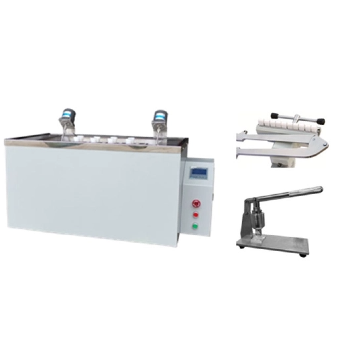
Environmental Stress Cracking Resistance (ESCR) is a critical property for many materials, particularly plastics and polymers, which are used in a wide range of industries. It refers to a material's ability to resist cracking when subjected to stress in the presence of certain environmental conditions, such as exposure to chemicals, high temperatures, or UV radiation. When materials fail to pass ESCR tests, it can lead to product failures, safety hazards, and financial losses, particularly in applications where reliability is paramount.
In this article, we will explore the common uses of ESCR testing across various industries, howESCR testing contributes to ensuring product durability and safety, and why it is essential for manufacturers. We will also take a closer look at how this testing is applied in practical settings, from packaging to automotive manufacturing, medical devices, and more.
1. What is Environmental Stress Cracking Resistance (ESCR)?
Environmental Stress Cracking Resistance (ESCR) is the ability of a material—usually plastic or polymers—to resist cracking or breaking when subjected to stress while exposed to specific environmental factors. These factors can include temperature fluctuations, chemicals, UV radiation, and humidity.
Plastics, which are widely used in a variety of applications, can be prone to cracking or failure if they are not sufficiently resistant to environmental stress. The process of ESCR testing involves subjecting materials to these environmental conditions while simultaneously applying mechanical stress to determine how long they can resist cracking. This process helps manufacturers determine whether a material is suitable for specific applications, ensuring reliability and safety.
2. Why is ESCR Testing Important?
ESCR testing is crucial for several reasons, particularly in industries where materials need to withstand challenging environmental conditions over extended periods. By understanding how materials behave under stress, manufacturers can:
Ensure Long-Term Durability: Materials with high ESCR are more likely to perform well over time, even when exposed to harsh conditions.
Prevent Product Failures: Cracking in plastic components can result in catastrophic failures, such as leaks, mechanical failures, or safety hazards. ESCR testing helps prevent these issues by identifying weak points in materials.
Meet Industry Standards: Many industries have strict regulations and performance standards that materials must meet to ensure safety and functionality. ESCR testing ensures compliance with these standards.
Improve Customer Satisfaction: Products that are more durable and reliable contribute to higher customer satisfaction and brand loyalty.
3. Common Uses of ESCR Testing Across Industries
ESCR testing is widely used across various sectors where plastics and polymers are a primary material. Below are some of the most common industries and applications where ESCR testing plays a pivotal role.
a) Packaging Industry
The packaging industry relies heavily on plastics for creating bottles, containers, films, and other types of packaging materials. These materials are often exposed to varying temperatures, humidity, and chemicals, especially in the case of food and beverage packaging. ESCR testing is essential to ensure that plastic packaging can withstand these environmental stressors without developing cracks or leaks.
Food and Beverage Packaging: In food and beverage packaging, materials like polyethylene terephthalate (PET) and polyethylene (PE) are commonly used. These materials must resist cracking when exposed to chemicals like oils, solvents, or acidic contents, as well as temperature fluctuations during storage and transportation.
Consumer Goods Packaging: Packaging for household products, cleaning agents, and cosmetics must resist stress cracking to prevent leaks and ensure product integrity over time.
Pharmaceutical Packaging: Pharmaceuticals require packaging that can resist cracking and contamination from exposure to various chemicals, humidity, or UV light.
ESCR testing helps ensure that packaging materials can safely hold their contents under typical storage conditions and prevent product loss, contamination, or spoilage.
b) Automotive Industry
The automotive industry uses a wide range of plastics and polymers for components like bumpers, interior panels, engine parts, and fuel systems. These parts must withstand constant exposure to mechanical stresses, high temperatures, and environmental conditions like rain, snow, and UV radiation.
Exterior Components: Automotive parts such as bumpers, grilles, and trim pieces are exposed to UV light, moisture, road salts, and extreme temperature changes. ESCR testing helps ensure these parts remain intact and free from cracks that could lead to cosmetic damage or safety hazards.
Fuel Tanks and Pipelines: Fuel tanks made of polyethylene or polypropylene must be resistant to chemical exposure and high-pressure environments. Any cracking or leakage in these components can be dangerous. ESCR testing ensures that these components can withstand stress and environmental factors over the life of the vehicle.
Under-the-Hood Components: Plastics used in engine compartments, such as radiator fans, air intake manifolds, and brake fluid reservoirs, are subjected to high temperatures and chemical exposure. These parts need to maintain their integrity even when exposed to extreme conditions.
ESCR testing ensures that automotive components perform reliably and maintain their structural integrity throughout the vehicle's lifecycle.
c) Construction and Infrastructure
Plastics are used extensively in construction, from pipes and fittings to insulation materials and coatings. These materials are exposed to weather conditions, UV radiation, water, and chemicals, all of which can lead to material degradation and cracking. ESCR testing is vital to ensure the long-term reliability and performance of plastic components in construction.
Plastic Pipes and Fittings: PVC, HDPE, and other plastic pipes are commonly used for plumbing, sewage, and gas distribution. These pipes are exposed to various environmental factors such as high pressure, temperature fluctuations, and chemical exposure. ESCR testing ensures that these materials can endure these stresses without cracking.
Window Frames and Siding: Plastics used for exterior window frames and building siding are constantly exposed to UV radiation, temperature variations, and moisture. ESCR testing helps ensure that these materials will not crack or degrade under normal environmental conditions.
Coatings and Sealants: Protective coatings and sealants used in construction materials need to remain intact when exposed to the elements. ESCR testing ensures that these materials do not crack or degrade, ensuring the durability and longevity of the structure.
ESCR testing in construction helps reduce the risk of material failure, improving the durability and safety of buildings, infrastructure, and utilities.
d) Medical Devices and Healthcare Industry
In the medical industry, plastics and polymers are used in various devices such as syringes, catheters, blood bags, implants, and surgical instruments. These materials must be durable enough to resist cracking and degradation when exposed to chemicals, moisture, and high-temperature sterilization processes.
Syringes and Infusion Sets: Medical devices made from plastic need to withstand exposure to medications, sterilizing agents, and the mechanical stress of injection or fluid flow. Any cracking could compromise the device’s integrity and safety.
Blood Bags and Tubing: Plastics used for blood bags and medical tubing must resist cracking under pressure and when exposed to certain chemicals. ESCR testing ensures these materials do not fail during storage or use.
Implants and Surgical Instruments: Polymers used in implants and surgical instruments must be able to withstand the stress of being inside the human body, while also resisting cracking from the mechanical forces they may encounter during use.
In medical devices, ESCR testing helps guarantee the safety and reliability of products that are critical to patient health and recovery.
e) Electronics Industry
The electronics industry uses plastics for component enclosures, connectors, insulation, and other parts of electronic devices. These parts must resist environmental stressors like moisture, temperature changes, chemical exposure, and electrical stress. ESCR testing ensures that plastics in electronics are durable and maintain their integrity throughout the product's lifecycle.
Mobile Phones and Consumer Electronics: Electronics enclosures made of plastic must resist cracking from physical impacts, moisture, and heat. ESCR testing helps ensure that these components will not fail during normal use.
Connectors and Cable Insulation: Electrical connectors, wires, and cable insulation materials are exposed to environmental stress such as moisture, temperature variations, and chemical exposure. Testing for ESCR ensures these materials can continue to function safely and reliably over time.
In the electronics industry, ESCR testing helps ensure that devices and components are reliable, safe, and able to function under a variety of environmental conditions.
4. Conclusion
Environmental Stress Cracking Resistance (ESCR) testing is crucial for ensuring plastic materials used across industries can withstand environmental stressors during their service life. By conducting ESCR tests, manufacturers can enhance product safety, reliability, and longevity, while reducing the risk of failure and product recalls. ESCR testing helps meet industry standards, improve product performance, and ensure consumer satisfaction in industries like packaging, automotive, construction, medical devices, and electronics. As plastics are used in more demanding applications, ESCR testing remains essential to ensure plastic components perform optimally.
For businesses in the plastics or polymer-based product industries, investing in ESCR testing is key to improving product quality, customer safety, and long-term success. Golden Time Technology Development Limited is one of the companies providing high-quality solutions and support for materials testing, including ESCR testing, to ensure that your products meet the required standards of performance, durability, and safety. By incorporating advanced testing into production processes, manufacturers can increase product reliability, meet performance standards, and build customer trust.


